

Private allergy testing in Newcastle upon Tyne
Hay Fever Treatment offers allergy testing for adults who want to know exactly what is causing their hay fever symptoms. Grass pollen is the best-known trigger, but tree pollen, weed pollen, house dust mite, pets and mould spores can all cause sneezing, a blocked nose and itchy eyes. Testing takes the guesswork out, so your treatment can be aimed at the right allergen and started at the right time.
Every test is arranged as part of a consultation, and your results are always interpreted alongside your symptoms and history.
Why get tested for hay fever?
Knowing your triggers helps in several practical ways:
- You can start treatment before your particular pollen season begins
- You can plan around high-pollen days for the allergens that affect you
- It helps explain symptoms that appear outside the usual summer months
- It is needed before immunotherapy, which only works against a confirmed allergy
Testing isn't always necessary. If your symptoms follow a clear pattern, a hay fever consultation may be enough to plan treatment, and we'll advise you honestly on whether a test is likely to add anything.
Who is allergy testing suitable for?
Allergy testing through Hay Fever Treatment is aimed at adults whose hay fever symptoms are troublesome or hard to explain. It is often useful for people whose symptoms start earlier in the year than expected, carry on into autumn, or seem to happen indoors as well as outdoors. It also suits anyone who has been told they might benefit from immunotherapy, and people who have tried several treatments without knowing whether they were targeting the right allergen. If you're unsure, mention it when you request a quote and we'll let you know whether testing is likely to help.
Which allergy tests are available?
Skin prick test
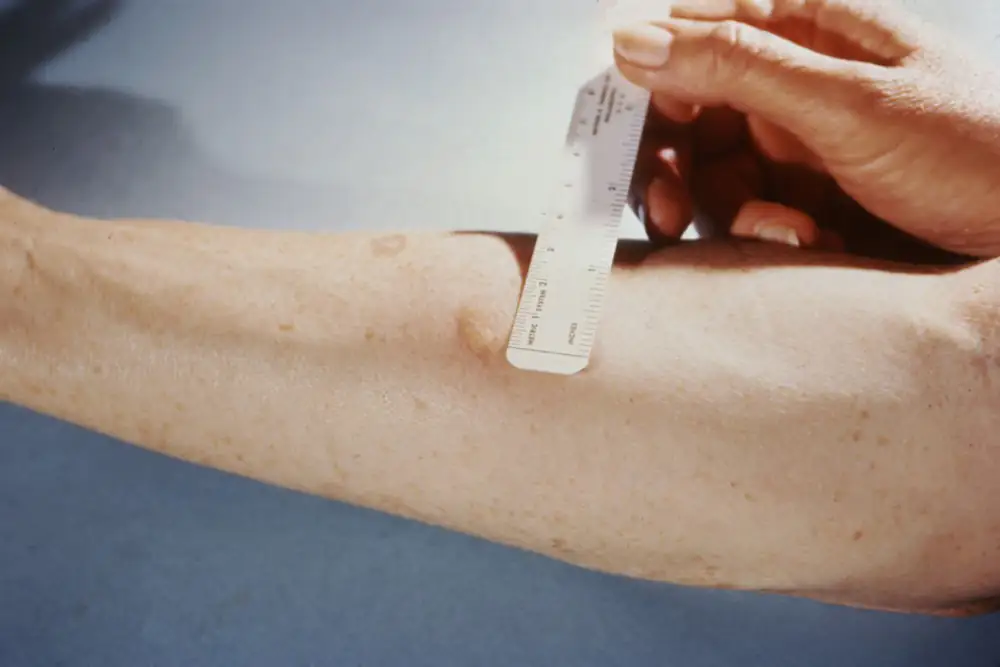
A small drop of each allergen solution is placed on the forearm and the skin is gently pricked through it. If you're sensitised to an allergen, a small raised, itchy bump appears after about 15 minutes. The test is quick, results are available at the appointment, and most people find it only mildly uncomfortable. Antihistamines must be stopped for several days beforehand, and you'll be given clear instructions when you book.
Specific IgE blood test for hay fever
This blood test measures allergy antibodies to particular allergens. It suits people who can't stop taking antihistamines, have widespread eczema, or have another reason why skin testing isn't suitable. Results take a few days because the sample is processed by a laboratory.
Choosing the right allergen panel
The allergens tested are chosen from your history. A typical hay fever panel covers grass pollen, common tree pollens such as birch, weed pollens and other airborne allergens, including house dust mite, cat, dog and mould.
How to prepare for your allergy test
Preparation is straightforward. If you're having a skin prick test, you'll need to stop antihistamine tablets, and possibly some other medicines, for a set number of days beforehand. Don't stop any prescribed medicine without checking with us first, and never stop an asthma inhaler. It helps to bring a list of your current medicines and a note of when your symptoms usually start and finish each year. A short-sleeved top, or one with loose sleeves, also makes skin testing easier.
What happens after your test?
A positive result shows sensitisation, which doesn't always mean that allergen causes your symptoms. That's why the clinician explains your results in the context of when and how your symptoms happen. You'll then receive a plan, which might include prescription treatments, advice on reducing exposure, or a discussion about immunotherapy if you have a severe grass or tree pollen allergy. Our pollen calendar shows when each confirmed trigger is likely to be at its worst.
Allergy tests we don't use
Hay Fever Treatment only uses validated tests. Hair analysis, kinesiology, vega testing and IgG "intolerance" panels are widely sold but are not recommended for diagnosing allergy. They can lead people to cut out foods or change treatment for no good reason, so they have no place in our service.
How much does allergy testing cost?
The cost depends on the type of test and how many allergens are included. To find out, request a free quote with a little information about your symptoms. The fee is confirmed clearly before you book, with no obligation to go ahead. Testing is available to people across Newcastle and the wider North East, and you can read more about our hay fever service in Newcastle or browse the FAQs if you have other questions.