

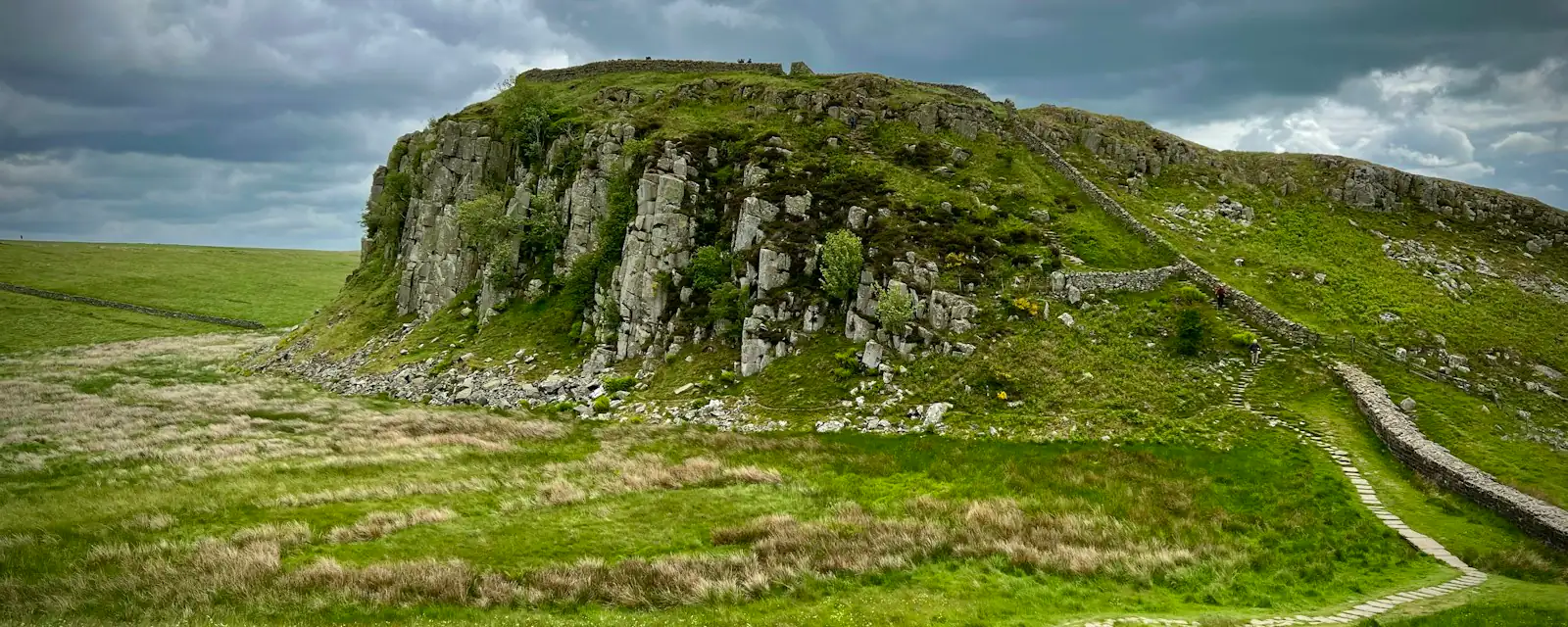
Grassland and crags in Hadrian's Wall country, Northumberland
Hay fever treatment · Hexham

Hay fever help for Hexham and the Tyne Valley

Fields, meadows and woodland make the Tyne Valley a hard place to live with hay fever. Hay Fever Treatment, based in Newcastle upon Tyne, welcomes enquiries from Hexham and the surrounding villages.

  • Clinician-led assessment before any treatment
  • Advice that fits rural and outdoor working life
  • Free quote with fees confirmed before you book
Grassland and crags in Hadrian's Wall country, Northumberland
Hadrian's Wall country, west of Hexham
Our service

Specialist hay fever help for the Tyne Valley

Hay Fever Treatment welcomes enquiries from Hexham and the surrounding villages. The service is aimed at adults with stubborn hay fever, including farmers, walkers and outdoor workers who cannot simply stay indoors when the pollen count is high.

Request a free quote

What we do

We provide consultations, allergy testing, prescription treatment reviews and immunotherapy assessments, with injection assessments for severe cases.

How it's delivered

Use the quote form to describe your symptoms. We get back to you to talk through your options and confirm fees and appointment arrangements.

What to expect

Advice that suits rural and outdoor working life, with treatment timed around the tree pollen season and hay-making.

Why is hay fever so persistent in the Tyne Valley?

The countryside around Hexham is a patchwork of grazing land, hay meadows, arable fields and mature woodland, with trees lining the River Tyne and the burns that feed it. It is a beautiful place to live, but it also means something is releasing pollen for much of the spring and summer. People who move out from a city often notice that their symptoms start earlier and last longer than they used to.

Tree pollen in late winter and spring

Hazel and alder along the riverbanks can release pollen from late winter, and birch follows in April and May. Birch is one of the strongest hay fever triggers in the UK, so if your eyes and nose begin to suffer around Easter, trees are a likely cause.

Grass pollen and the hay-making season

Grass pollen takes over from late May into July. Cutting grass for silage and hay disturbs large amounts of it, and farmers, contractors and anyone living beside the fields can feel the difference on cutting days. Grass verges on country lanes and the open grassland along Hadrian's Wall add to the load during warm, dry spells.

Hay fever and outdoor work around Hexham

Many people in Hexham and the villages around it work outdoors: on farms, in forestry, on country estates, in landscaping, or in tourism across Hadrian's Wall country and Northumberland National Park. Avoiding pollen simply isn't realistic for them, so the answer lies in treatment that is started early and fits around the working day.

Drowsiness is a genuine concern if you drive a tractor, use machinery or spend long days on the road. During a consultation, the prescriber takes your work into account and explains which options are least likely to affect alertness. If you also react to animals, or to mould spores from stored hay and straw, mention it, because it can change which tests and treatments make sense.

Walkers and cyclists heading for the Wall or the National Park in early summer face the same problem in a shorter burst. A plan agreed before the trip can make a long day outdoors far more comfortable.

What Hay Fever Treatment can offer Tyne Valley residents

Hay Fever Treatment is based in Newcastle upon Tyne and welcomes enquiries from Hexham, Corbridge, Haydon Bridge and the surrounding villages. Each service starts with a proper look at your symptoms and history, and appointment details are confirmed when we reply to your enquiry.

Planning ahead of the Tyne Valley pollen season

Timing matters even more in the countryside, where exposure is high from the first warm days of the year. Steroid nasal sprays work best when they are started two to four weeks before symptoms usually begin, so a late winter appointment suits Hexham residents who react to trees, and April or early May suits those who struggle with grass.

Immunotherapy needs planning several months ahead, which makes autumn and winter the right time to ask about it. Our UK pollen calendar shows the typical seasons month by month.

Best times to enquire

Tree pollen sufferersJanuary to February
Grass pollen sufferersApril to early May
Interested in immunotherapyAutumn or winter
Already strugglingAny time

Arranging an appointment from Hexham

The Tyne Valley railway line and the A69 link Hexham with Newcastle, which helps if you need to fit an appointment around farm work, shifts or the school run. When you get in touch, we'll confirm the appointment arrangements, the fees and what the consultation will involve, so there are no surprises.

The quickest way to start is the quote form at the top of this page. Tell us when your symptoms begin, what you do for a living and what you have already tried. You can read more about each stage on our how it works page, or browse our FAQs first.

If you have difficulty breathing or swelling of the lips, tongue or throat, call 999. For urgent advice that is not an emergency, contact NHS 111.

FAQs

Questions from the Tyne Valley

Can you help if I'm not sure whether it's pollen or the animals on the farm?

Yes. Allergy testing can check common tree and grass pollens alongside animal dander, house dust mite and mould spores. The results are interpreted with your history, so you get a clear picture of what is really causing your symptoms.

Will treatment make me too drowsy to drive or use machinery?

Most modern hay fever treatments are non-drowsy. The prescriber will ask about driving, machinery and long working days, and will explain which options are least likely to affect your alertness.

Do I need a referral from my GP practice in Hexham?

No. You can contact Hay Fever Treatment directly through the quote form. With your consent, relevant information can be shared with your GP so your records stay up to date.

Is it too late to get help once silage cutting has started?

No. Some options work best when started early, but several can still bring relief in the middle of the season. Get in touch and we'll talk through what is possible now and what to plan for next year.

Get ahead of the Tyne Valley pollen season

Request a free, no-obligation quote and we'll talk through the options that suit your symptoms and your working day.