
When is tree pollen season in the UK?
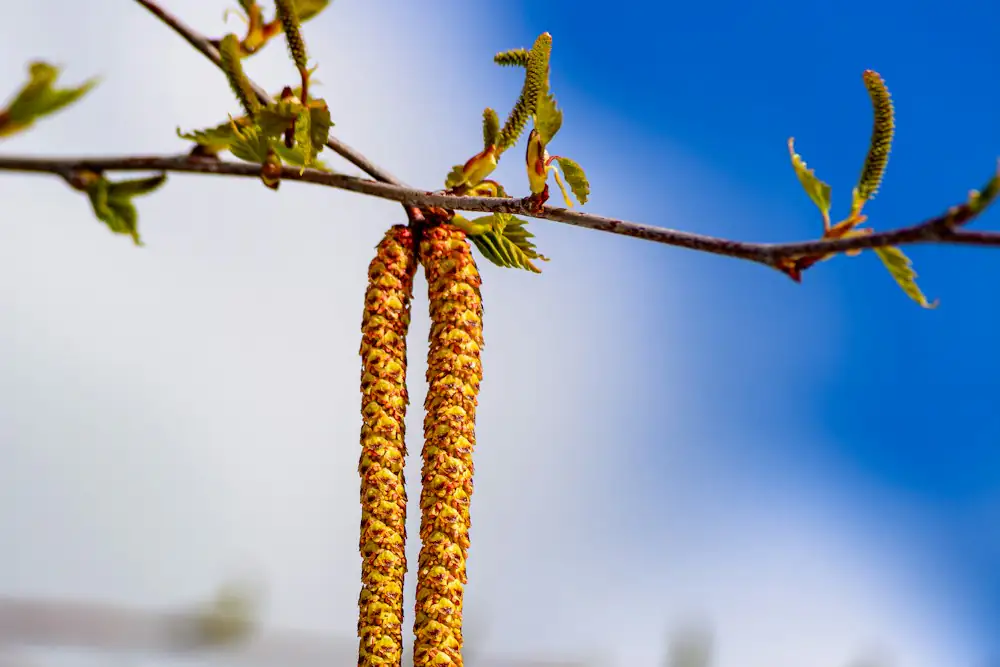
Tree pollen season usually starts in late winter, when hazel and alder begin to release pollen, sometimes as early as February in a mild year. Birch follows in spring and commonly causes symptoms in April and May, with oak, ash and plane also contributing. If your symptoms begin in early spring, well before the grass has grown, tree pollen is a likely trigger.
When is grass pollen season?
Grass pollen is the most common cause of hay fever in the UK. The season typically starts in late May, peaks through June and early July, and tails off during late July and August. Warm, dry and breezy days usually bring the highest counts. In the north of England, including Newcastle, the season can start slightly later than in the south.
Weed pollen and mould spore season
Nettle, dock, plantain and mugwort keep pollen in the air through summer and into early autumn. Mould spores often rise in late summer and autumn, particularly in warm, damp weather. If your symptoms carry on into September or October, either of these could be part of the picture.
How the weather affects pollen levels
A pollen calendar shows the typical pattern, but the weather decides the detail. A cold spring can hold back tree pollen, and a wet May may delay grass pollen before a sharp rise once warm weather arrives. Pollen tends to build during the morning and can peak again in the early evening. Thunderstorms can break pollen grains into smaller particles, which some people find makes their symptoms worse. During the season, the Met Office publishes a daily pollen forecast for each region.
When should you start hay fever treatment?
Poor timing is one of the most common reasons hay fever treatment seems to fail. Many preventive treatments work best when they are started before pollen levels rise, so knowing your season is the first step to getting it right.
Several months before your season
Immunotherapy for grass or tree pollen usually needs to begin several months ahead of the season, and it requires allergy testing first. Autumn and winter are therefore the best times to ask about immunotherapy.
Two to four weeks before symptoms start
Daily nasal treatments take time to reach their full effect. Starting two to four weeks before your symptoms usually begin gives them the best chance of working. A prescription treatment review makes sure you have the right products and know how to use them properly.
Once the season has started
If you are already struggling, it is not too late to get help. Antihistamines and eye drops act quickly, and a hay fever consultation can review and strengthen your plan part way through the season.
Planning your treatment with Hay Fever Treatment
Our team uses your symptom history to work out which pollen season affects you and when treatment should begin. If the pattern is unclear, allergy testing can confirm your triggers. You then receive a plan that covers what to take, when to start it and what to do on high-pollen days.
For adults with severe symptoms that standard treatment has not controlled, a prescriber can also discuss whether the hay fever injection is suitable, together with its risks and the alternatives.
We are based in Newcastle upon Tyne and welcome enquiries from across the North East. Tell us when your symptoms usually start in the quote form, and see how our service works or browse our FAQs for more detail.