

What is hay fever?
Hay fever, known medically as seasonal allergic rhinitis, happens when the immune system treats pollen as a threat. When pollen lands on the lining of the nose, eyes or throat, the body releases histamine and other chemicals that cause swelling, itching and extra mucus. The result is the sneezing, streaming eyes and congestion that so many people dread each year.
The name is a little misleading, as hay is rarely the cause and there is no fever. It is one of the most common allergic conditions in the UK. Mild hay fever is a nuisance, but severe hay fever can disrupt sleep, work, study and family life for months at a time, and that is where our clinic comes in.
What causes hay fever?
Pollen is the main trigger. Trees, grasses and weeds release fine grains into the air to fertilise other plants, and these grains are small enough to be breathed in or blown into the eyes. The type of pollen you react to decides when your symptoms appear.
Tree pollen
Tree pollen usually arrives first. Hazel and alder can release pollen in late winter, followed by birch, oak and plane in spring. Birch is one of the more common tree triggers in the UK.
Grass pollen
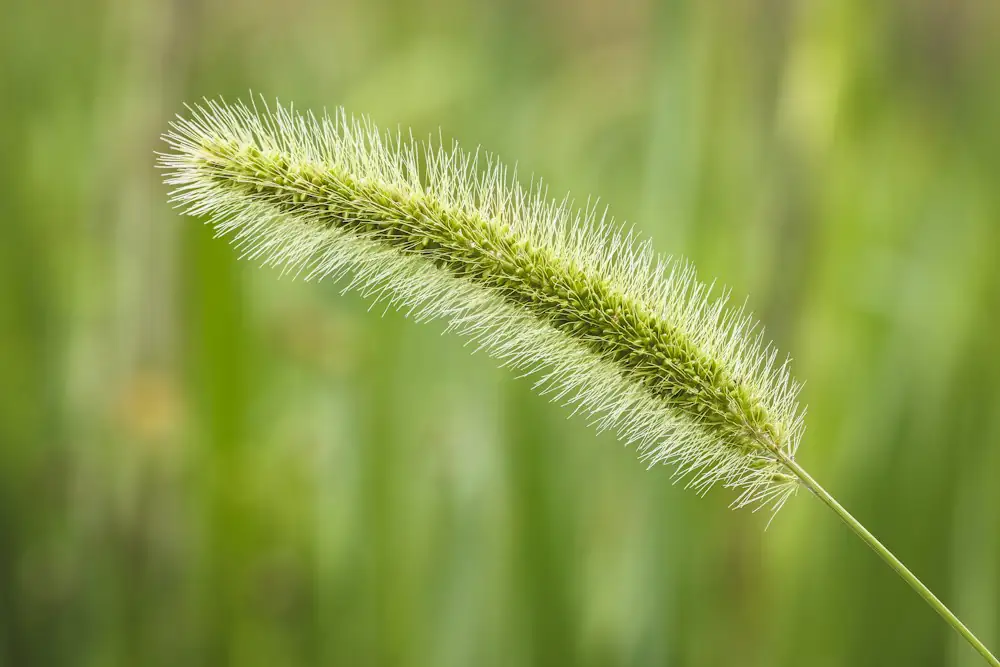
Grass pollen affects more people with hay fever than any other type. The season usually runs from late May into July, and parks, playing fields and roadside verges all add to the pollen count.
Weed pollen and mould spores
Nettle, dock, plantain and mugwort release pollen through summer and into early autumn. Some people also react to mould spores, which tend to rise in late summer and autumn.
Many people react to more than one type, which explains why symptoms can last much longer than expected. Our UK pollen calendar shows when each season typically peaks.
Who is more likely to get hay fever?
Anyone can develop hay fever, and it can start at any age. It is more common in people who have asthma or eczema, and in those with a family history of allergies. Symptoms can also change over time, becoming milder, more severe or affecting different parts of the body.
Adults sometimes develop hay fever for the first time after years without any problems. If you have noticed a new seasonal pattern, a consultation can help confirm whether pollen is the cause and what can be done about it.
How hay fever affects asthma
Hay fever and asthma are closely linked. Inflammation in the nose can make the airways more reactive, and pollen can trigger wheezing, coughing and chest tightness in people with asthma. Poorly controlled hay fever can therefore make asthma harder to manage. If you have asthma, we take it into account when planning your hay fever care, and your GP or asthma nurse should stay involved in your asthma reviews.
When does hay fever need specialist treatment?
Mild hay fever often responds well to antihistamines, nasal sprays and eye drops bought from a pharmacy. It is worth looking for specialist help when:
- Over-the-counter treatments no longer control your symptoms
- Hay fever affects your sleep, work, exams or training
- Your asthma gets worse during pollen season
- Your triggers are unclear, or symptoms appear outside the usual season
- You would like a longer-term option instead of coping year after year
This is the group of people the Hay Fever Treatment service is designed for. A consultation looks at your history, your triggers and how you use your current medicines, then sets out a clear plan for the season ahead.
Hay fever treatments available through our clinic
Treatment works best when it matches the cause and severity of your symptoms. Depending on your assessment, the options we provide include:
Hay fever consultation
A one-to-one hay fever consultation with a full review of your symptoms, medicines and lifestyle, ending with a written plan.
Allergy testing
Recognised allergy testing to confirm which pollens you react to. This is useful when triggers are unclear or immunotherapy is being considered.
Prescription treatments
A prescription treatment review, in which a qualified prescriber can recommend stronger or better-combined medicines for your nose, eyes and chest.
Immunotherapy
Assessment for immunotherapy, a longer-term treatment that aims to reduce the underlying allergy to grass or tree pollen.
Hay fever injection assessment
For a small number of adults with severe symptoms that have not responded to other treatment, a prescriber may discuss the hay fever injection, including its risks and the alternatives.
You do not need to know which option suits you before getting in touch. Describe your symptoms in the quote form and we will suggest a sensible starting point. You can also read about how our service works first.
Simple ways to reduce pollen exposure
Treatment works better alongside a few practical habits, particularly on high-pollen days.
- Check the daily pollen forecast and plan time outdoors around it
- Wear wraparound sunglasses and apply a barrier balm around your nostrils
- Shower and change your clothes after spending time outside
- Keep windows closed in the early morning and evening when counts are high
- Dry washing indoors and keep car windows up on high-pollen days